Explore the local streets on a walking tour of the city
Get inside tips from a local
Pickup from a centrally located meeting point
Excellent value for money
Exclusive to Viator
Family friendly
Small group ensures personal service
Soak up the atmosphere on a walking tour
Step back in time on a history tour
Informative, friendly and professional guide
Small-group tour
The best way to really know the city you're visiting and feel like an actual local is by taking public transportation and walking through the streets to explore. The walking tour is a small group tour with a "Carioca" guide and you will be able to seeand learn about the cultural and historical part of the city and visit Downtown's main attractions.
可預訂日期
日期說明
Adult(5~99歲)
Child(0~4歲)
產品標題
產品描述
出發時間
價格
產品詳情
行程概要
預定須知
費用說明
用戶評價
產品詳情
Itinerary This is a typical itinerary for this product
Pass By: Museu Nacional De Belas Artes, Rio de Janeiro, State of Rio de Janeiro
The National Museum of Fine Arts is a national art museum. The museum, officially established in 1937 by the initiative of education minister Gustavo Capanema, was inaugurated in 1938 by President Get□lio Vargas. The museum collection, on the other hand, takes its rise in the transfer of the Portuguese Court to Brazil in the early 19th century, when King John VI brought along with him part of the Portuguese Royal Collection.
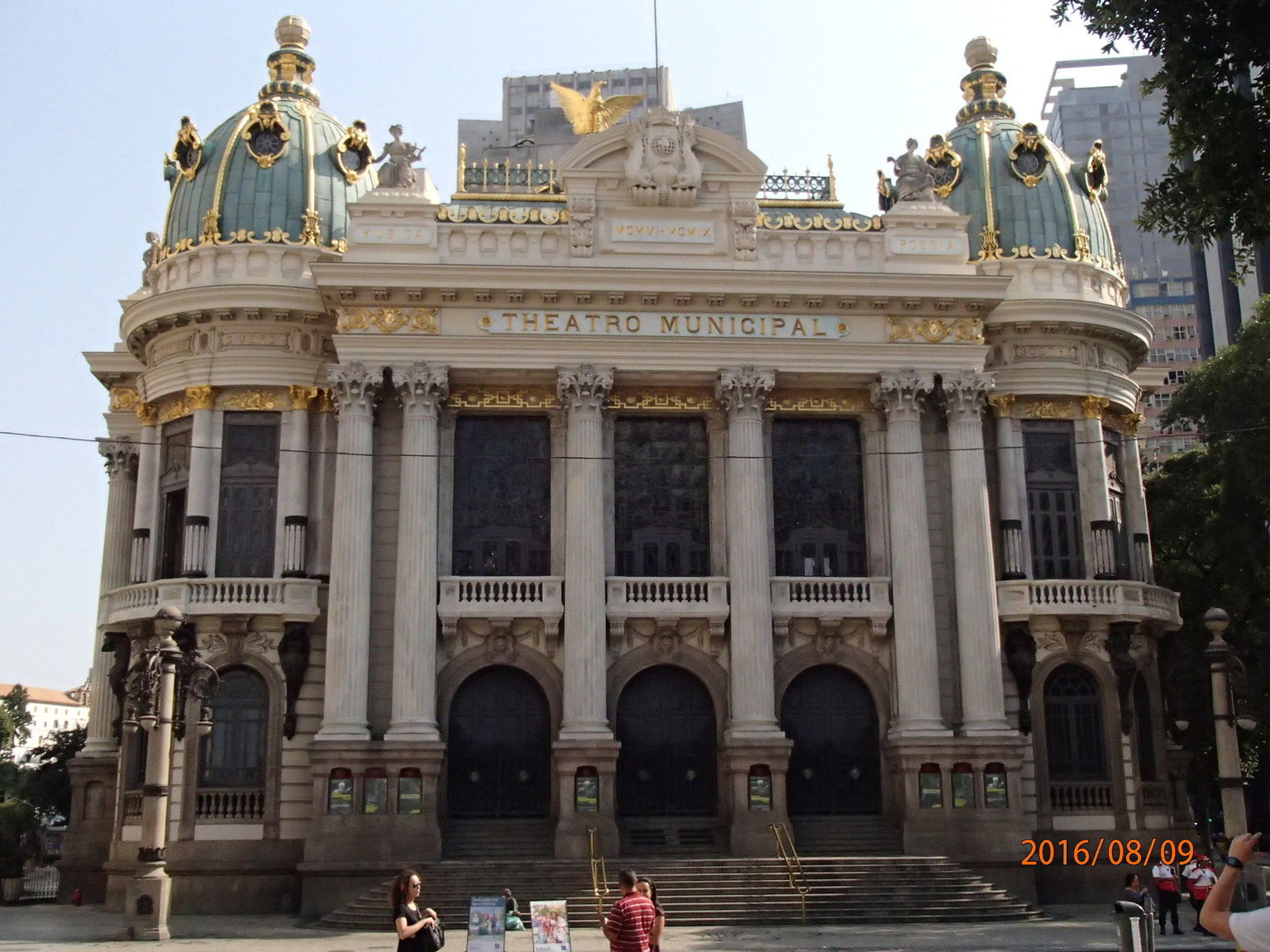
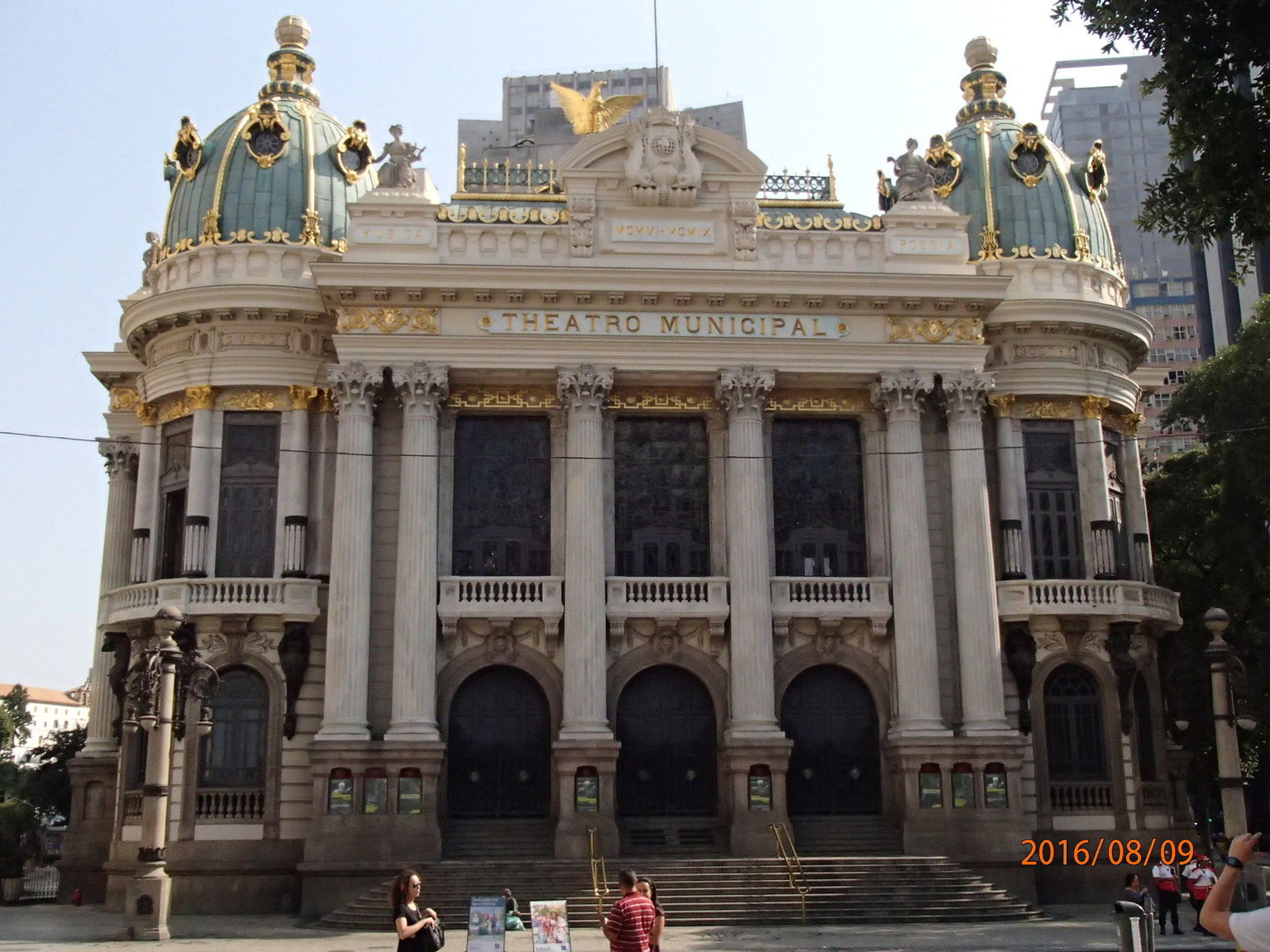
Pass By: Theatro Municipal do Rio de Janeiro, Rio de Janeiro, State of Rio de Janeiro
The Municipal Theater or Opera House is one of theJewels in Rio de Janeiro. It was built between 1906 and 1909 with the same architetural style of the Opera House in Paris with Eclectic Architectural style.
Stop At: Paco Imperial, Rio de Janeiro, State of Rio de Janeiro
The Pao Imperial or Imperial Palace, previously known as the Royal Palace of Rio de Janeiro and Palace of the Viceroys, is a historic building.The Pao Imperial was built in the 18th century to serve as residence for the governors of colonial Brazil. From 1808, it was used as a royal residence by King John VI of Portugal as King of Portugal and later also as King of Brazil.
Duration: 10 minutes
Stop At: Centro Cultural Banco do Brasil - CCBB Rio de Janeiro, Rio de Janeiro, State of Rio de Janeiro
The CCBB in Rio de Janeiro is a building of neoclassical lines that in the past was connected to finance and business. Its foundation stone was launched in 1880, materializing the project of Francisco Joaquim Bethencourt da Silva (1831-1912), architect of the Imperial House, founder of the Society of Fine Arts and the Lyceum of Arts and Crafts
Duration: 10 minutes
Pass By: National Library (Biblioteca Nacional), Rio de Janeiro, State of Rio de Janeiro
The largest library in Latin America and the 7th largest in the world, its collections include about 9 million items.It organized the first library science courses in Latin America and its staff has led the modernization of library services, including the development of online databases
Stop At: Church of Our Lady of the Candelaria, Rio de Janeiro, State of Rio de Janeiro
The Candel□ria Church is an important historical Roman Catholic church in the city of Rio de Janeiro. It was built and decorated during a long period, from 1775 to the late 19th century. The church combines a Baroque facade with a neoclassical and Neo-Renaissance interior elements.
Duration: 10 minutes
Stop At: Convent of St. Anthony (Convento do Santo Antonio), Rio de Janeiro, State of Rio de Janeiro
The history of the Convent of St. Anthony begins in 1592, when the first Franciscan friars arrived in Rio de Janeiro, who settled provisionally near the Beach of Santa Luzia. Shortly afterwards, the Franciscans erected a small hermitage on the top of a hill located in an area a little further from the coast. In 1607, they were granted definitive possession of the hill, now known as Morro de Santo Antnio, in which they began to build the convent on June 4, 1608. The author of the first project was Brother Francisco dos Santos, but several others religious-Franciscan architects interfered in the work.
Duration: 15 minutes
Stop At: Praca Quinze de Novembro, Rio de Janeiro, State of Rio de Janeiro
The square is located in the historical centre of Rio de Janeiro and is flanked by the Pal□cio Tiradentes , the seat of the Legislative Assembly of Rio de Janeiro; and the Pao Imperial. The Praa XV Station is a ferry terminal servicing a number of destinations in the city of Rio de Janeiro and Niteroi.
Duration: 10 minutes
Stop At: Cinelandia, Rio de Janeiro, State of Rio de Janeiro
Cinelndia is the popular name of a major public square in the centre of Rio de Janeiro, Brazil. Its official name is Praa Floriano Peixoto, in honour of the second president of Brazil, Floriano Peixoto.
Duration: 10 minutes
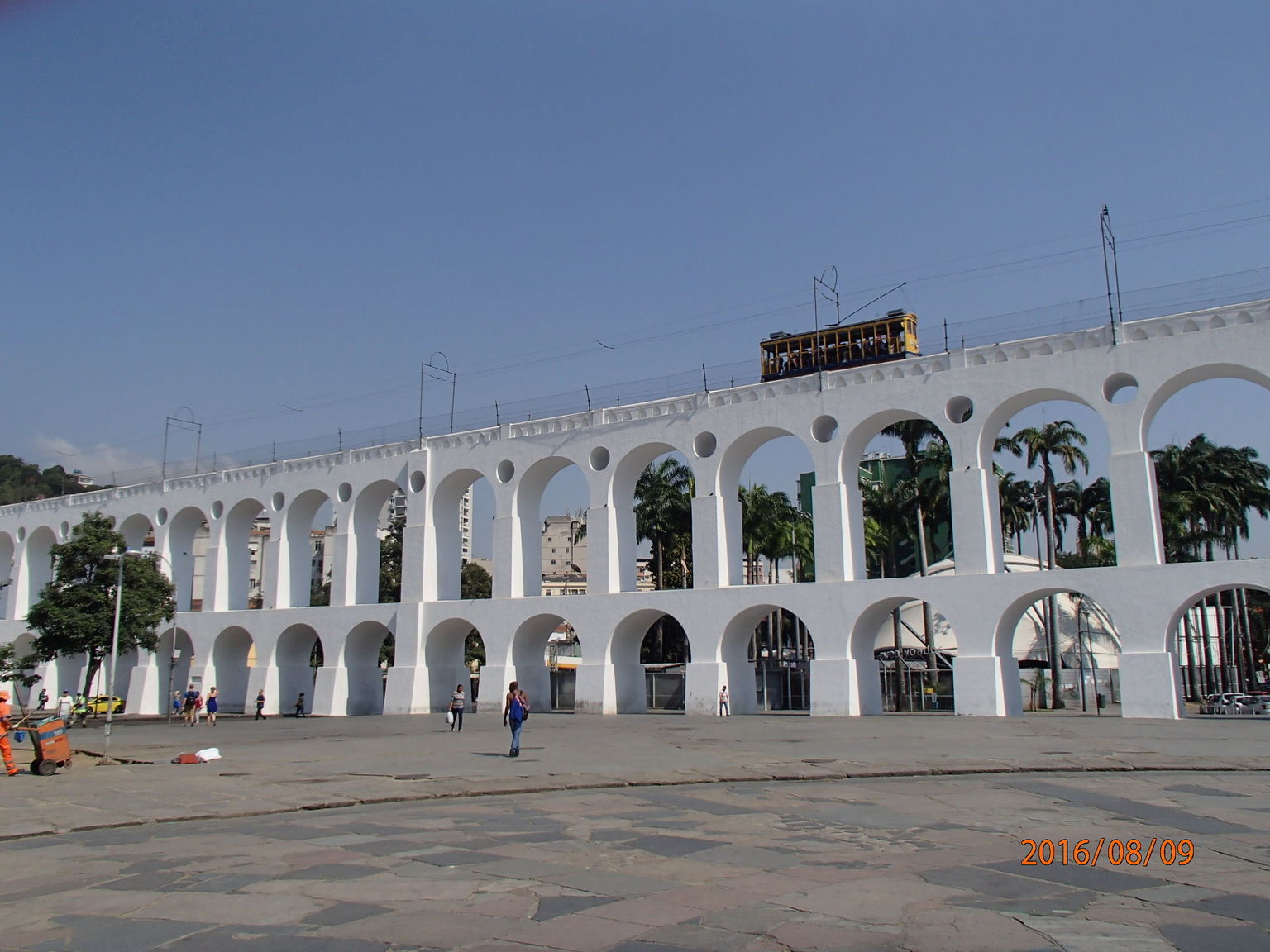
Stop At: Arco do Teles, Rio de Janeiro, State of Rio de Janeiro
In 1738 the House of Governors (later to become the Imperial Palace) begins to be built under the command of Gomes Freire de Andrade, Count of Bobadela. In 1743 the construction of the new House of Governors is finished and the Largo do Pao region gains a great appreciation. Seeing the growth of the area, the Portuguese judge Antnio Telles Barreto de Menezes (who gave rise to the name of the arch) decides to buy land in the area and build a house, or a set of houses, in order to rent to merchants that came to visit Rio de janeiro
Duration: 10 minutes
Stop At: Casa Franca-Brasil, Rio de Janeiro, State of Rio de Janeiro
It is an imposing neoclassical solar, designed by Grandjean de Montigny, member of the French Artistic Mission (1816) and professor of the Imperial Academy of Fine Arts. Commissioned by Joo VI of Portugal in 1819 for the installation of the city's first Commerce Square, it was inaugurated on May 13, 1820.
Duration: 10 minutes
Pass By: Centro Cultural Justica Federal, Rio de Janeiro, State of Rio de Janeiro
The Federal Justice Cultural Center (CCJF), an institution linked to the Federal Regional Court of the 2nd Region, occupies the former seat of the Federal Supreme Court. Its construction began in 1905, as an integral part of the project of reformulation of the city of Rio de Janeiro, then Federal Capital, in the administration of the mayor Pereira Passos. Originally intended to house the Mithra Archiepiscopal, the building was purchased for the installation of the Supreme and had its solemn inauguration on April 3, 1909. Designed by the architect Adolpho Morales de Los Rios, the building is one of the most important testimonies of eclectic architecture in City.
Stop At: Correios Cultural Centre, Rio de Janeiro, State of Rio de Janeiro
Built to house the school of the Lloyd Brazilian shipping company, the building was inaugurated in 1922. The projected school, however, was never installed, and the property was used for more than five decades for the operation of administrative units and of the Brazilian Post and Telegraph Company.
Duration: 10 minutes
Stop At: Sao Francisco da Penitencia Church, Rio de Janeiro, State of Rio de Janeiro
The laity of the Order of the Third Order of San Francisco settled in Rio de Janeiro in 1619, occupying a chapel inside the church of the Franciscan convent of Santo Antnio, located on the top of a hill (the Morro de Santo Antnio). In the middle of the seventeenth century, the Franciscan convent gave them a plot of land next to the convent's church to build their own temple there. The Church of St. Francis of Penance was built, with interruptions, between 1657 and 1733.
Duration: 15 minutes
Pass By: Tiradentes Palace, Rio de Janeiro, State of Rio de Janeiro
The first building was an imperial parliament, built in 1640, which had on its lower floor a chain called the "Old Chain," where the prisoners of the colonial period were housed, and where Joaquim Jos□ da Silva Xavier (the Tiradentes), while waiting for execution on the gallows, which would happen on April 21, 1792.
Pass By: Palacio Pedro Ernesto - Camara Municipal do Rio de Janeiro, Rio de Janeiro, State of Rio de Janeiro
It was founded together with the city in 1565, when it was formed only by a prosecutor and a judge. Two years later, there was the first election for the City Hall of Rio de Janeiro. At each election, twelve councilors were elected for a year, with the President of the House accumulating the functions of the current municipal mayors.
May be operated by a multi-lingual guide -English and Spanish
A minimum of 2 people per booking is required
Not recommended for people with walking difficulties
Subject to favorable weather conditions. If canceled due to poor weather, you will be given the option of an alternative date.
Near public transportation
Transportation is wheelchair accessible
Most travelers can participate
This experience requires a minimum number of travelers. If it’s canceled because the minimum isn’t met, you’ll be offered a different date/experience or a full refund
費用說明
費用包括:
Professional guide
費用不包括:
Gratuities
Hotel pickup and drop-off
Entry/Admission - Sao Francisco da Penitencia Church
用戶評價
滿意度5分
評價來自3位遊客
5分
4分
3分
2分
1分
Himawan M2018-01-03
A very interesting tour for first time visitors in Rio. Many places and atractions we saw that we do not know before.
Leonardo was a very good and patient guide for the three of us.
We are very satisfied with this tour
hawkhaven2017-01-11
Because it was afternoon and 102 degrees no one else was interested in a walking tour, so we had a private tour. Our guide Tauan was the best.....very knowledgeable, considerate, good sense of humor. We walked for 4 hours, rode the subway, and saw things we never would have found on our own, like the money exhibit in the museum in the bank building. A wonderful experience all around!
Jeremy P2016-08-19
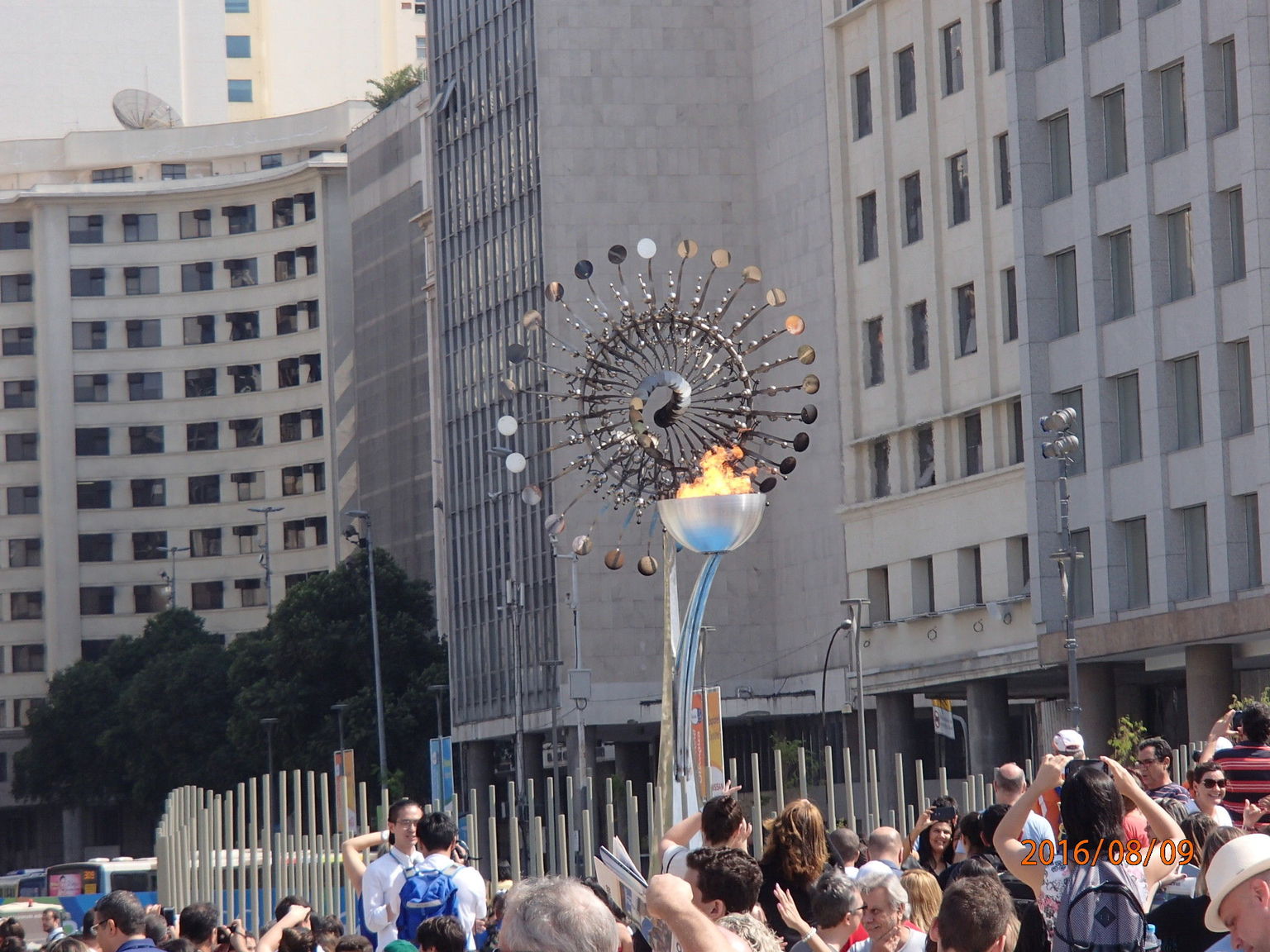
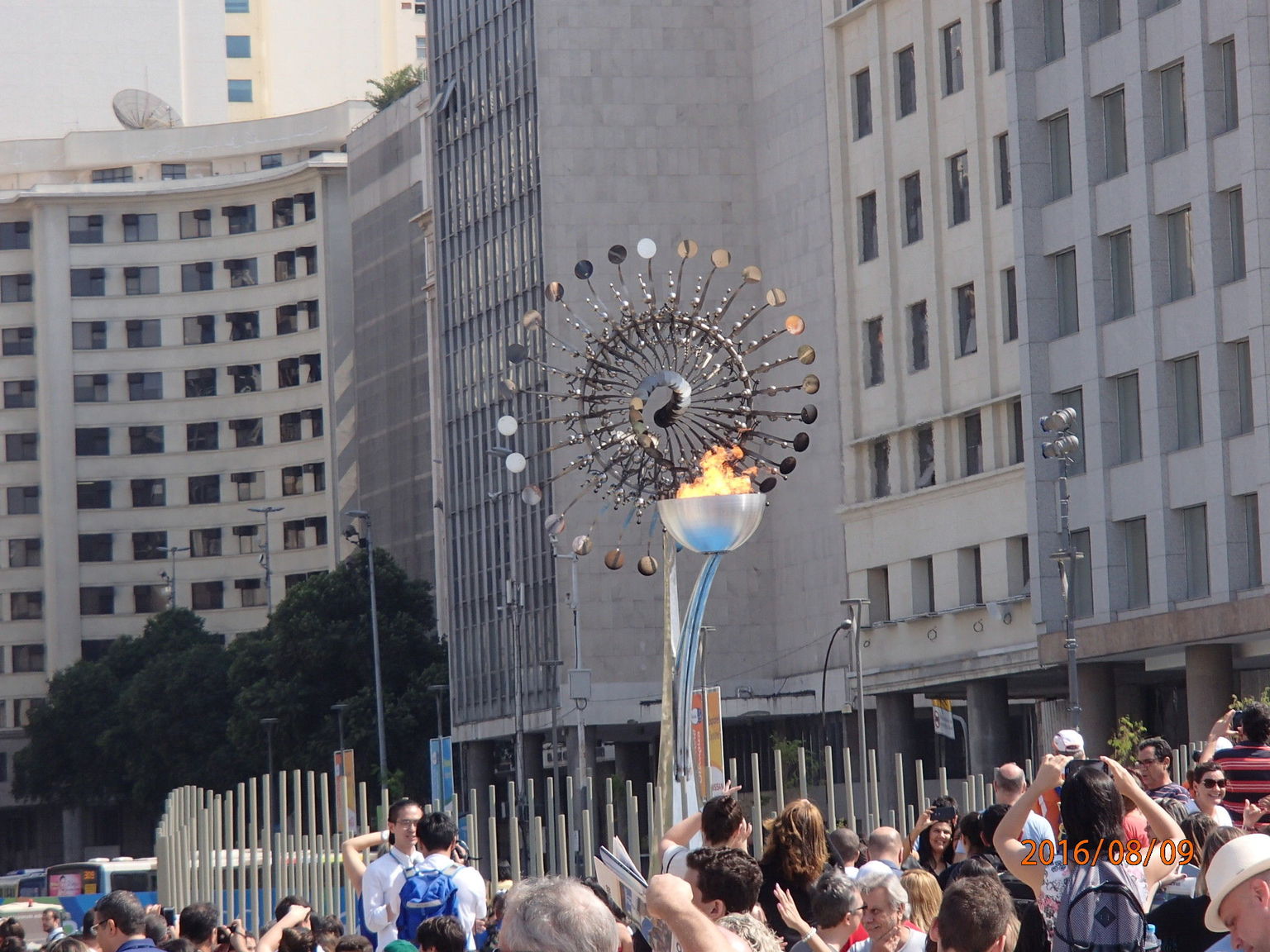
This was a fantastic walking tour and I emphasize walking. Be prepared for 3 to 4 hours on your feet. The pace was casual so we didn't feel over exerted, but we still got to see so much. Our guide Heraclito aka Kiko was terrific. We had a mixup on our location at the beginning of the tour, called the company and Kiko came to our Metro Station to meet us. We started in Cinelandia and finished at the Olympic torch. Didn't count all the sites we saw, but I'm sure 15 is a fair number. We never felt rushed and saw sites like the Catedral de Sao Sebastiao that we may never had ventured to on our own. It was a very good introduction to Centro Rio and I would recommend at the beginning of a trip to Rio.